
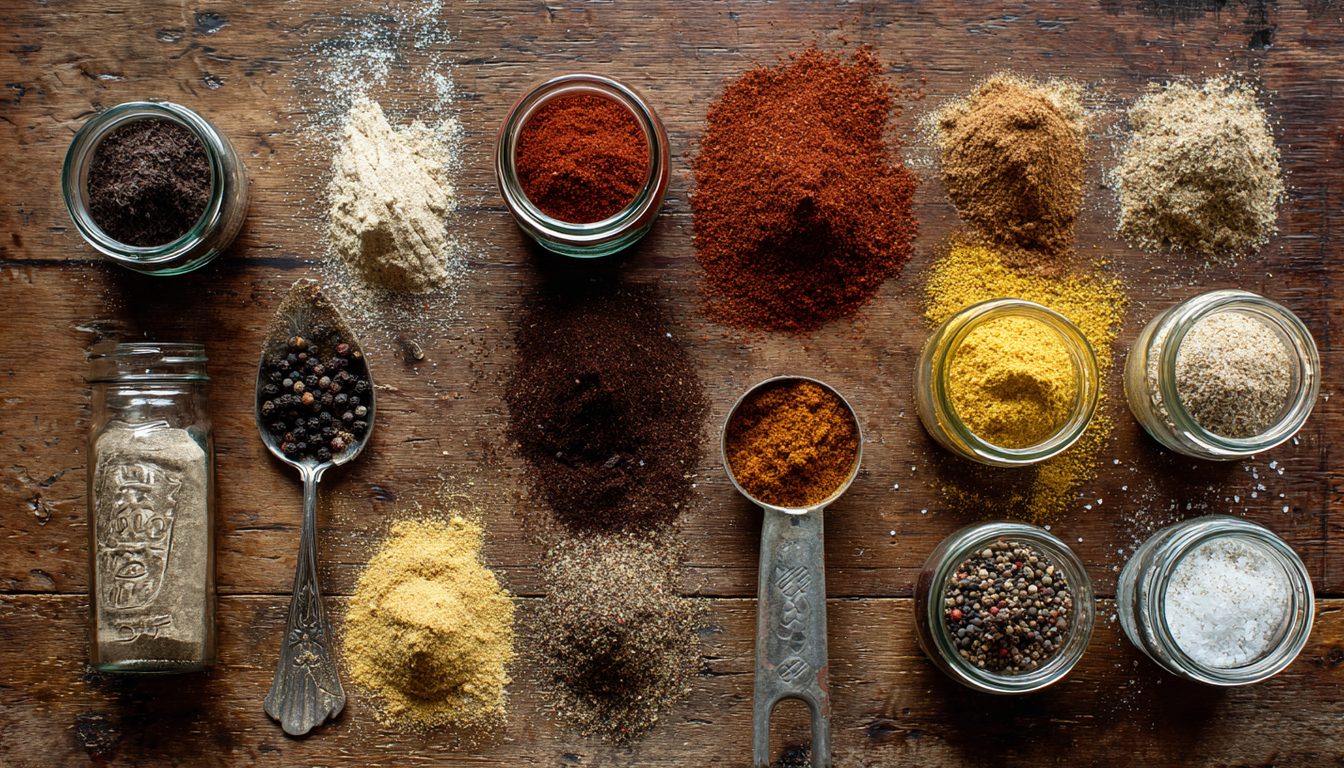
Most homemade rub recipes fail for one of two reasons, and neither one is the spice list.
The first is salt. A recipe says “2 tablespoons kosher salt” without saying which kosher salt. Diamond Crystal weighs about 2.8 g per teaspoon. Morton kosher weighs 4.8 g. Fine table salt weighs 6 g. Same spoon, more than double the salt. That is how a rub that worked perfectly in somebody else’s kitchen comes out inedible in yours.
The second is sugar. Sugar begins to caramelize around 320 °F (160 °C) and turns bitter and acrid past that. In a smoker at 250 °F the meat surface never gets there, so a sweet rub builds a dark, sticky bark. Over direct coals the grate is 500 °F or hotter and the surface blows past 320 °F in a couple of minutes. Same rub, burnt crust.
So the 20 blends below are sorted by what you are actually cooking and how hot the fire is, and every one is written twice: in parts, so you can scale it to any quantity, and in tablespoons, so you can make it right now.
Read this before the first recipe
The salt standard
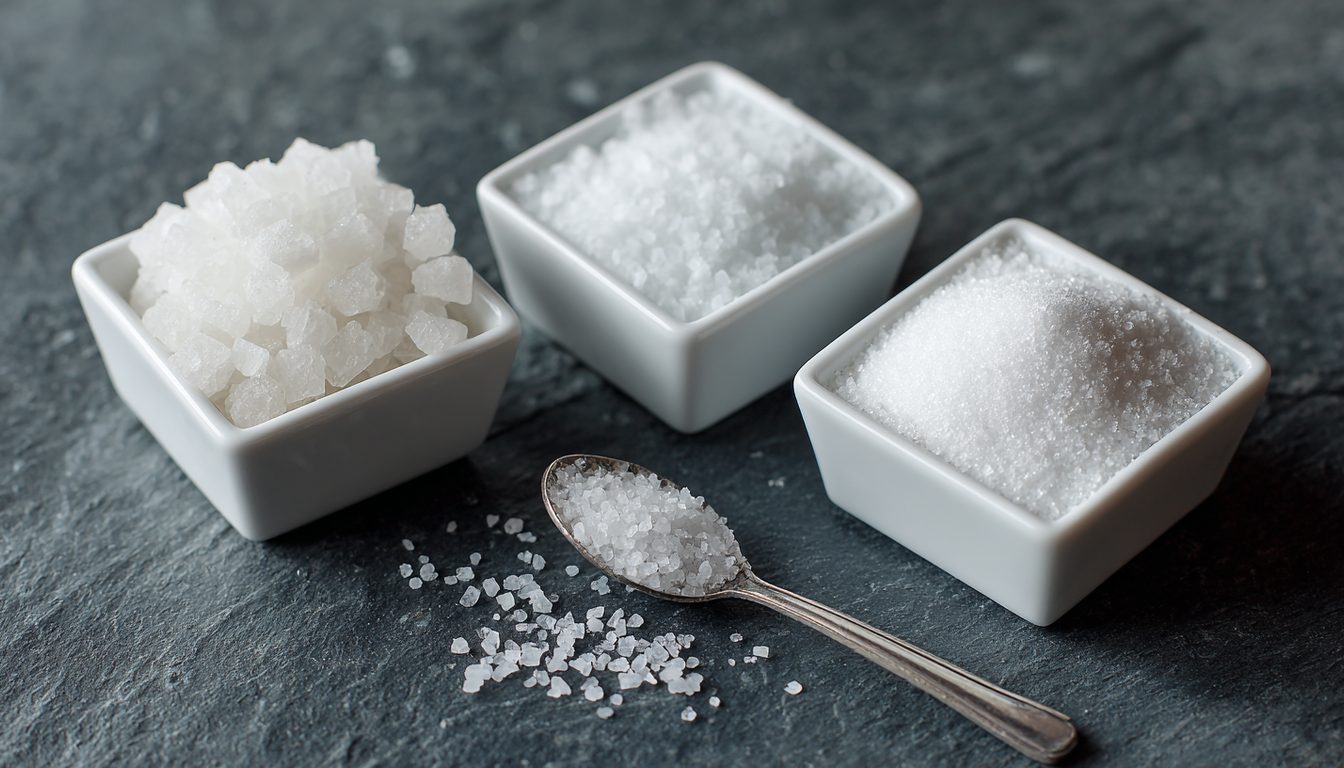
Every recipe on this page is measured in Diamond Crystal kosher salt. If that is not what is in your cupboard, adjust the salt only — leave everything else alone:
| Your salt | Weight per teaspoon | Use this much |
|---|---|---|
| Diamond Crystal kosher | 2.8 g | The amount written |
| Morton kosher | 4.8 g | About two-thirds |
| Fine sea or table salt | 6 g | About half |
If you own a kitchen scale, weigh the salt instead and skip the argument entirely. Salt is the one ingredient where being wrong ruins the cook.
Sugar and heat
| How you are cooking | Grate or pit temp | Sugar in the rub? |
|---|---|---|
| Smoking low and slow | 225–275 °F | Yes — this is where sweet rubs shine |
| Indirect on a kettle | 300–350 °F | A little, and watch it |
| Direct over coals | 450 °F and up | None — or brush a sweet glaze on in the last 10 minutes instead |
| Blackening in a hot pan | 500 °F+ | Never |
Grind size matters more than people expect
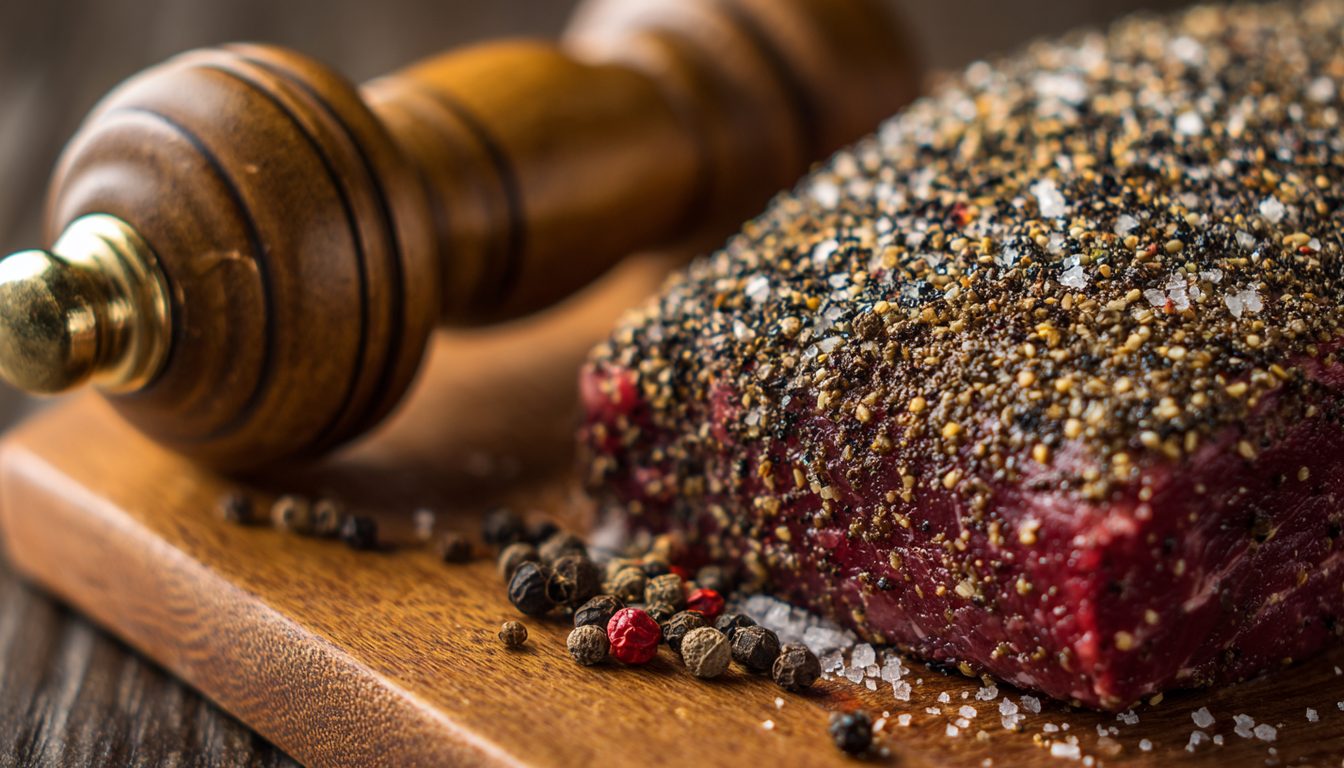
Coarse 16-mesh black pepper (sold as “butcher grind”) is what builds the craggy bark on Texas brisket. Fine pepper dissolves into the surface and disappears. For thin, fast-cooking cuts — chicken thighs, shrimp, fish — go the other way and use fine grinds, because coarse grains never get long enough to soften and end up gritty.
One food-safety rule that costs nothing
Never dip a used hand or a seasoned piece of meat back into the jar. Shake out what you think you need into a small bowl, season from the bowl, and throw away whatever is left over. A jar contaminated with raw chicken sits in your cupboard for six months and seasons everything else you cook. This is the same reason you keep a separate plate for cooked meat — and if you are ever unsure whether meat was safe to start with, our guides on telling if ribs are bad and telling if chicken is bad walk through the checks.
How much to use
Start at 1 tablespoon of rub per pound of meat. Ribs and pork butt take more because there is so much surface; a lean tri-tip or a fillet of fish takes less. You do not need a binder — the moisture already on the meat is enough to hold the rub — but a thin smear of yellow mustard or oil helps a heavy coat stick, and the mustard flavour cooks away completely.
Pork rubs: ribs, butt and chops
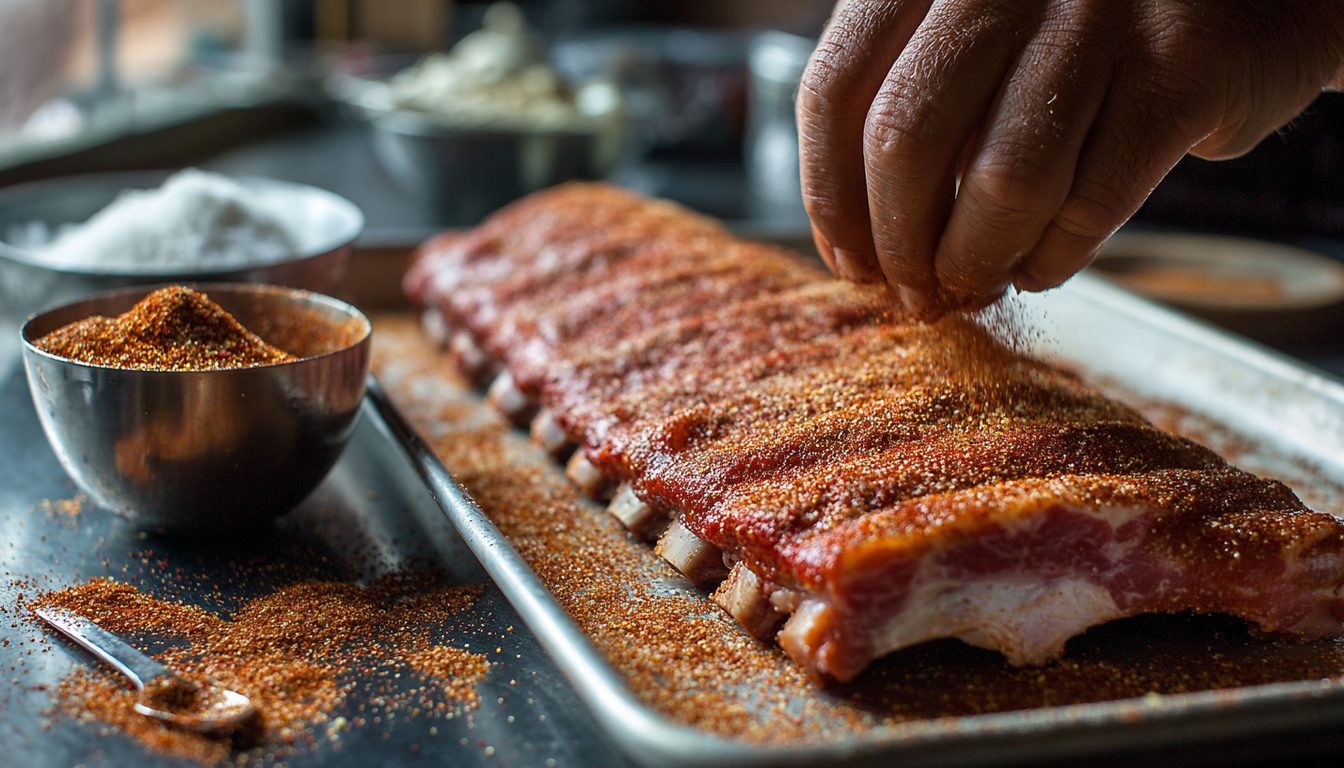
1. Kansas City sweet rib rub
The one most people picture when they hear “BBQ rub”. Brown sugar forward, deep red, built for a smoker at 250 °F and a sauce at the end.
Parts: 8 brown sugar · 4 paprika · 2 salt · 2 black pepper · 1 garlic powder · 1 onion powder
- 8 tbsp (½ cup) packed dark brown sugar
- 4 tbsp sweet paprika
- 2 tbsp Diamond Crystal kosher salt
- 2 tbsp coarse black pepper
- 1 tbsp garlic powder
- 1 tbsp onion powder
- 2 tsp chili powder
- 1 tsp ground mustard
- 1 tsp cayenne
Makes about 1½ cups. Use it on smoked spare ribs and pork butt. The two-to-one sugar-to-paprika ratio is what makes the bark go almost black without tasting burnt — as long as you keep the pit under 275 °F.
2. Memphis dry rib rub
Memphis ribs are served dry, so the rub has to taste finished on its own. Paprika does the heavy lifting and there is barely any sugar.
Parts: 6 paprika · 2 salt · 2 black pepper · 1 garlic powder · 1 onion powder
- 6 tbsp sweet paprika
- 2 tbsp Diamond Crystal kosher salt
- 2 tbsp coarse black pepper
- 1 tbsp garlic powder
- 1 tbsp onion powder
- 2 tsp dark brown sugar
- 2 tsp celery salt
- 2 tsp dried oregano
- 1 tsp ground mustard
- 1 tsp cayenne
Makes about 1 cup. Season before cooking, then dust a second time the moment the ribs come off — the second coat is the whole point of the style, and it stays bright because it never saw heat.
3. Carolina mustard rub
South Carolina’s mustard belt in dry form. Turmeric is there for colour, not flavour.
Parts: 4 ground mustard · 3 brown sugar · 2 paprika · 2 salt · 1 black pepper
- 4 tbsp ground yellow mustard
- 3 tbsp packed light brown sugar
- 2 tbsp sweet paprika
- 2 tbsp Diamond Crystal kosher salt
- 1 tbsp coarse black pepper
- 2 tsp garlic powder
- 1 tsp ground turmeric
- 1 tsp cayenne
Makes about ¾ cup. Natural partner to a mustard BBQ sauce — same flavour family, so the rub and the sauce reinforce each other instead of fighting.
4. Competition pork butt rub
Turbinado instead of brown sugar. The crystals are larger and dissolve more slowly, which gives a bark with definition rather than a sticky sheet.
Parts: 6 turbinado · 3 paprika · 2 salt · 1 black pepper · 1 garlic · 1 onion
- 6 tbsp turbinado sugar
- 3 tbsp sweet paprika
- 2 tbsp Diamond Crystal kosher salt
- 1 tbsp coarse black pepper
- 1 tbsp garlic powder
- 1 tbsp onion powder
- 2 tsp chili powder
- 1 tsp ground ginger
- 1 tsp cayenne
Makes about 1¼ cups. Built for low-and-slow pork shoulder. Apply it the night before if you can — the salt has time to work into the meat and the surface dries, which is exactly what you want before smoke hits it.
5. Chipotle maple pork rub
Smoke on smoke. The chipotle is smoked jalapeño, so this one tastes like it spent longer on the pit than it did.
Parts: 5 maple sugar · 3 paprika · 2 salt · 1 chipotle · 1 black pepper
- 5 tbsp maple sugar (or packed light brown sugar)
- 3 tbsp sweet paprika
- 2 tbsp Diamond Crystal kosher salt
- 1 tbsp chipotle powder
- 1 tbsp coarse black pepper
- 2 tsp garlic powder
- 1 tsp ground cinnamon
Makes about ¾ cup. The cinnamon sounds odd and is not optional — a single teaspoon rounds off the chipotle’s sharp edge. Any more and it tastes like a dessert.
Beef rubs: brisket, steak and tri-tip
6. Texas dalmatian rub
Salt and pepper. That is the entire recipe, and it is what the best brisket in the world is seasoned with.
Parts: 1 coarse black pepper · 1 salt
- ½ cup 16-mesh coarse black pepper
- ½ cup Diamond Crystal kosher salt
Makes 1 cup. Half and half by volume, using Diamond Crystal. Swap in Morton and the same measure is nearly twice the salt, which is why so many people try this once and conclude Texas brisket is too salty. See the Franklin-method brisket guide for how it is applied.
7. Central Texas SPG
Dalmatian plus garlic. This is the workhorse — if you only make one blend from this page, make this one.
Parts: 3 black pepper · 3 salt · 1 garlic powder
- 6 tbsp coarse black pepper
- 6 tbsp Diamond Crystal kosher salt
- 2 tbsp garlic powder
Makes about 1 cup. No sugar means it works on anything, at any temperature — searing steak, smoking brisket, roasting potatoes. Make a big jar.
8. Espresso chile brisket rub
Coffee and cocoa are not there to taste of coffee and cocoa. They are bitter compounds that read as “deeply roasted” once they meet fat and smoke.
Parts: 4 black pepper · 4 salt · 2 ground coffee · 1 ancho · 1 garlic
- 4 tbsp coarse black pepper
- 4 tbsp Diamond Crystal kosher salt
- 2 tbsp finely ground dark-roast coffee
- 1 tbsp ancho chile powder
- 1 tbsp garlic powder
- 2 tsp dark brown sugar
- 1 tsp unsweetened cocoa powder
Makes about ¾ cup. Grind the coffee fine, espresso fine. Coarse grounds stay gritty right through a twelve-hour cook.
9. Pastrami rub
Coriander is the flavour people cannot name in pastrami. Toast the seeds whole in a dry pan for a minute, then crack them — pre-ground coriander is a completely different, duller thing.
Parts: 5 black pepper · 4 coriander · 2 salt · 1 garlic · 1 mustard seed
- 5 tbsp coarse black pepper
- 4 tbsp coriander seed, toasted and cracked
- 2 tbsp Diamond Crystal kosher salt
- 1 tbsp garlic powder
- 1 tbsp mustard seed, cracked
- 2 tsp dark brown sugar
Makes about 1 cup. Important: if you are smoking a corned or cured brisket, leave the salt out entirely. The cure has already salted the meat all the way through and adding more makes it inedible.
10. Santa Maria tri-tip seasoning
California’s contribution, and it is almost aggressively simple: garlic, pepper, parsley.
Parts: 2 garlic powder · 2 salt · 3 black pepper · 1 dried parsley
- 2 tbsp garlic powder
- 2 tbsp Diamond Crystal kosher salt
- 3 tbsp coarse black pepper
- 1 tbsp dried parsley
- 1 tsp onion powder
- 1 tsp cayenne (optional)
Makes about ½ cup. The parsley is not garnish — it goes slightly green and grassy against the beef fat and it is the reason this tastes like Santa Maria rather than generic steak seasoning.
11. Steakhouse pepper blend
The Montreal style. Dill seed is the signature and the thing most copies get wrong by leaving it out.
Parts: 3 black pepper · 2 salt · 1 coriander · 1 dill seed · 1 garlic · 1 onion
- 3 tbsp coarse black pepper
- 2 tbsp Diamond Crystal kosher salt
- 1 tbsp coriander seed, cracked
- 1 tbsp dill seed
- 1 tbsp granulated garlic
- 1 tbsp dried minced onion
- 2 tsp crushed red pepper flakes
Makes about ¾ cup. Keep everything coarse. This blend is supposed to be visible on the steak, not absorbed into it.
Chicken and poultry rubs
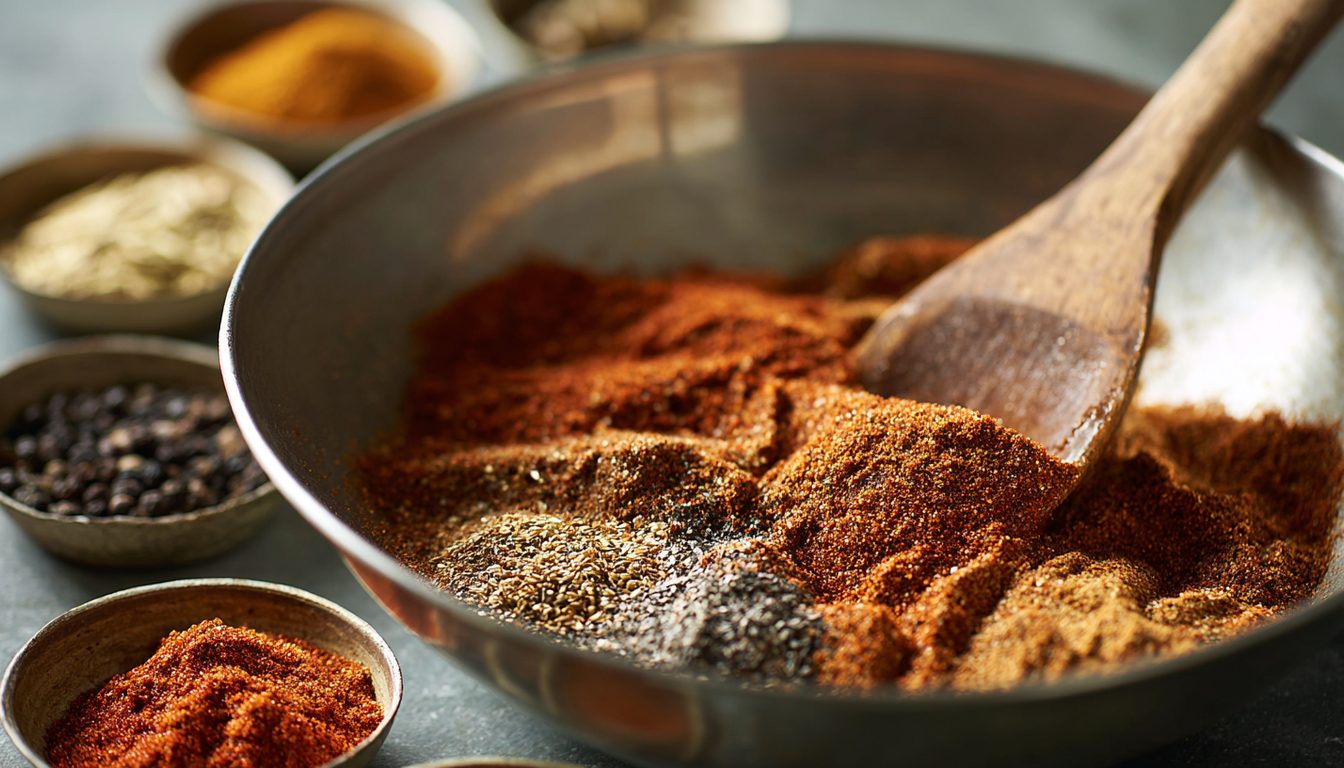
12. Zero-sugar grilled chicken rub
Chicken thighs over direct coals are the classic burnt-rub disaster. The fix is not skill, it is removing the sugar.
Parts: 3 paprika · 2 salt · 1 garlic · 1 onion
- 3 tbsp sweet paprika
- 2 tbsp Diamond Crystal kosher salt
- 1 tbsp garlic powder
- 1 tbsp onion powder
- 2 tsp fine black pepper
- 2 tsp dried thyme
- 1 tsp ground mustard
- 1 tsp cayenne
Makes about ½ cup. This is what goes on grilled chicken thighs. If you want the sweetness, brush a glaze on in the last ten minutes instead — it caramelizes without having sat over the fire long enough to scorch. The same principle drives our low-sugar chicken marinade.
13. Smoked chicken and turkey rub
Different job entirely. At 250 °F the sugar is safe and it helps the skin colour, because poultry skin browns poorly at smoking temperatures on its own.
Parts: 3 brown sugar · 3 paprika · 2 salt · 1 garlic · 1 onion
- 3 tbsp packed light brown sugar
- 3 tbsp sweet paprika
- 2 tbsp Diamond Crystal kosher salt
- 1 tbsp garlic powder
- 1 tbsp onion powder
- 2 tsp black pepper
- 1 tsp dried sage
- 1 tsp dried thyme
- 1 tsp ground ginger
Makes about ¾ cup. If the bird has been brined, cut the salt in half — see how to brine chicken for the amounts.
14. Nashville hot dust
Cayenne-led and genuinely hot. Traditionally this is whisked into hot cooking fat and painted onto fried chicken, but it works as a dry dust on grilled wings too.
Parts: 3 cayenne · 2 brown sugar · 1 smoked paprika
- 3 tbsp cayenne
- 2 tbsp packed light brown sugar
- 1 tbsp smoked paprika
- 2 tsp garlic powder
- 2 tsp Diamond Crystal kosher salt
- 1 tsp chili powder
- ½ tsp black pepper
Makes about ½ cup. For the authentic version, whisk 3 tablespoons of this into ½ cup of the hot fat you cooked in and brush it on while everything is still hot. Start with half if you have not eaten Nashville hot before — three tablespoons of cayenne is not a typo, and it is not mild.
15. Jerk dry rub
Real jerk is a wet marinade with scotch bonnets and scallions. This is the dry-pantry version, and allspice is what makes it jerk rather than generic Caribbean seasoning.
Parts: 2 onion powder · 1 garlic · 1 thyme · 1 salt
- 2 tbsp onion powder
- 1 tbsp garlic powder
- 1 tbsp dried thyme
- 1 tbsp Diamond Crystal kosher salt
- 2 tsp ground allspice
- 2 tsp dark brown sugar
- 2 tsp black pepper
- 1–2 tsp habanero or cayenne powder
- 1 tsp ground nutmeg
- 1 tsp ground cinnamon
- 1 tsp ground ginger
Makes about ¾ cup. Allspice is non-negotiable. Leave it out and you have made a nice spice blend that is not jerk.
16. Lemon pepper wing dust
Shop-bought lemon pepper is mostly salt and citric acid. Made properly with real dried zest it is a different seasoning altogether.
Parts: 3 black pepper · 2 dried lemon zest · 1 salt
- 3 tbsp coarse black pepper
- 2 tbsp dried lemon zest
- 1 tbsp Diamond Crystal kosher salt
- 2 tsp garlic powder
- 1 tsp onion powder
- 1 tsp citric acid (optional, for sourness)
Makes about ½ cup. To dry your own zest: peel four lemons with a vegetable peeler, avoiding the white pith, and dry the strips in a 170 °F oven for 1–2 hours until they snap. Then grind. It is the single biggest upgrade on this page for the least money.
Seafood and vegetable seasonings
17. Blackening seasoning
Built for a cast-iron pan at 500 °F. Not a single grain of sugar, because at that temperature sugar does not caramelize, it carbonizes.
Parts: 3 paprika · 1 salt · 1 garlic · 1 onion
- 3 tbsp sweet paprika
- 1 tbsp Diamond Crystal kosher salt
- 1 tbsp garlic powder
- 1 tbsp onion powder
- 2 tsp black pepper
- 2 tsp white pepper
- 2 tsp dried thyme
- 2 tsp dried oregano
- 1–2 tsp cayenne
Makes about ¾ cup. The dark crust comes from the paprika and herbs toasting in butter, not from burning the fish. If it tastes bitter your pan was too hot or the fish sat too long.
18. Grilled fish and shrimp rub
The Chesapeake Bay blend, made at home. Celery salt is the backbone and there is no substitute for it.
- 2 tbsp celery salt
- 1 tbsp sweet paprika
- 2 tsp fine black pepper
- 1 tsp ground mustard
- 1 tsp ground bay leaf
- ½ tsp ground allspice
- ½ tsp ground nutmeg
- ½ tsp ground ginger
- ½ tsp cayenne
- ¼ tsp ground cloves
- ¼ tsp ground cardamom
Makes about ½ cup. Note there is no added salt beyond what is in the celery salt — fish is thin and takes salt fast, and this blend is usually dusted heavily.
19. Chili-lime corn seasoning
For grilled corn, courgettes, watermelon and anything that needs acid rather than more smoke.
Parts: 3 mild chile powder · 2 salt · 1 lime
- 3 tbsp ancho or guajillo chile powder
- 2 tbsp Diamond Crystal kosher salt
- 1 tbsp dried lime zest, or 2 tsp citric acid
- 1 tsp cayenne
- 1 tsp sugar
Makes about ½ cup. Use a mild chile as the base, not cayenne — the point is chile flavour with heat behind it, not heat alone. Good on almost everything in our vegan BBQ recipes.
20. Smoky garlic herb vegetable rub
Vegetables have no fat to carry flavour, so this leans hard on smoked paprika and garlic to make up the difference.
Parts: 3 smoked paprika · 2 garlic · 1 salt · 1 oregano
- 3 tbsp smoked paprika
- 2 tbsp garlic powder
- 1 tbsp Diamond Crystal kosher salt
- 1 tbsp dried oregano
- 2 tsp dried rosemary, crushed
- 2 tsp black pepper
- 1 tsp onion powder
- 1 tsp red pepper flakes
Makes about ½ cup. Toss vegetables in oil first, then the rub. Dry seasoning on dry vegetables falls straight through the grate.
Storing them so they are still worth using
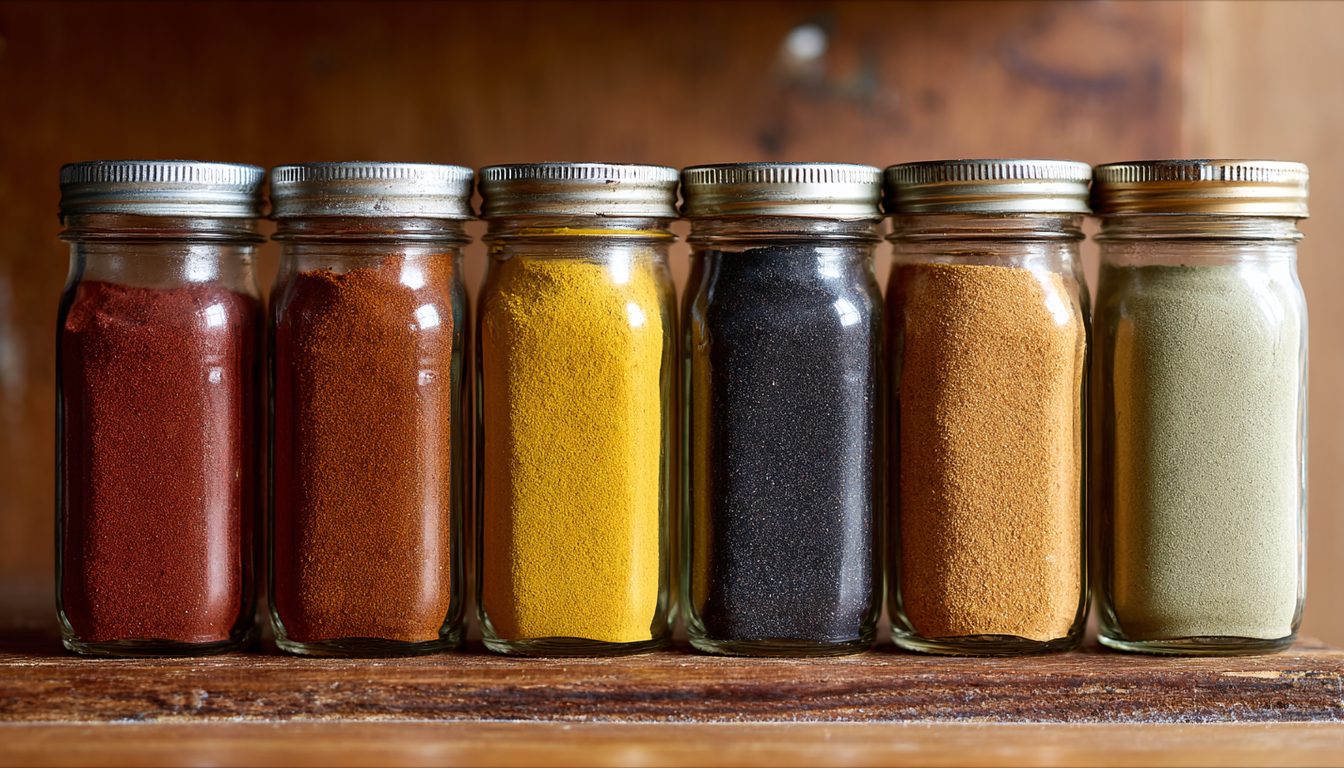
Ground spices do not spoil in a way that makes you ill — they just stop tasting of anything. Whole spices hold their oils for years; the moment they are ground, the clock starts.
| Blend type | Best within | The failure mode |
|---|---|---|
| Salt and pepper only (6, 7) | A year or more | Pepper fades; salt is fine forever |
| Paprika and herb blends | 6 months | Paprika goes brown and dusty-tasting |
| Anything with brown sugar | 3–4 months | Clumps into a solid brick |
| Blends with fresh dried zest (16, 19) | 3 months | The citrus oils go first |
Keep them in glass with a tight lid, in a cupboard, not on a shelf above the cooker. Heat and light are what kill paprika. If a sugar blend has set solid, break it up with a fork — it is fine to use, it just absorbed moisture.
The clumping fix: a teaspoon of uncooked rice in the jar absorbs humidity and keeps a sugar-heavy rub pourable. Sift it out before you use the rub.
Scaling and adjusting
Every recipe above lists its ratio in parts, so a “part” can be a teaspoon for a single dinner or a cup for a competition weekend. To make a rub your own, change one thing at a time:
- Too salty — you almost certainly used the wrong salt. Check the table at the top before you change anything else.
- Flat and dull — not enough salt, or old paprika. Rub a pinch between your fingers and smell it; if it smells of nothing, it is nothing.
- Burnt bark, bitter finish — sugar met too much heat. Drop the sugar or drop the pit temperature.
- Harsh raw-garlic taste — too much garlic powder on a short cook. Garlic powder needs time or fat to mellow; on a fast grill, halve it.
- No heat when you wanted heat — add cayenne in ¼-teaspoon steps and wait. Chile heat builds in a blend over the first day or two.
The short version
Measure your salt by weight or match the brand in the recipe, keep sugar away from direct fire, and grind your pepper coarse for beef and fine for anything thin. Those three rules fix more homemade rubs than any ingredient you could add.
If you want a single starting point, make Central Texas SPG (#7) in a big jar. It goes on everything, it cannot burn, and it will teach you more about seasoning than a shelf of specialist blends. Then make the Kansas City sweet rub (#1) for your first proper smoke.
New to this? Our beginner’s BBQ rub guide walks through one recipe in more detail, and the beginner grilling guide covers the fire itself.